Working Draft — content version 1.4.0 · review package 1.2 · not approved content
SRCF / for universities

For universities and educators

Teach to a professional standard — and help set it.

SRCF is a public register of what a sustainability reporting professional must know and be able to do: 9 domains, 81 competency units, 3 proficiency levels, 6 role profiles. It is not a disclosure standard, not a certification scheme and not a curriculum — and it certifies no one. No person, course or institution is SRCF-certified, accredited or aligned. The register is a Working Draft, content version 1.4.0, published now to be used, mapped and challenged.
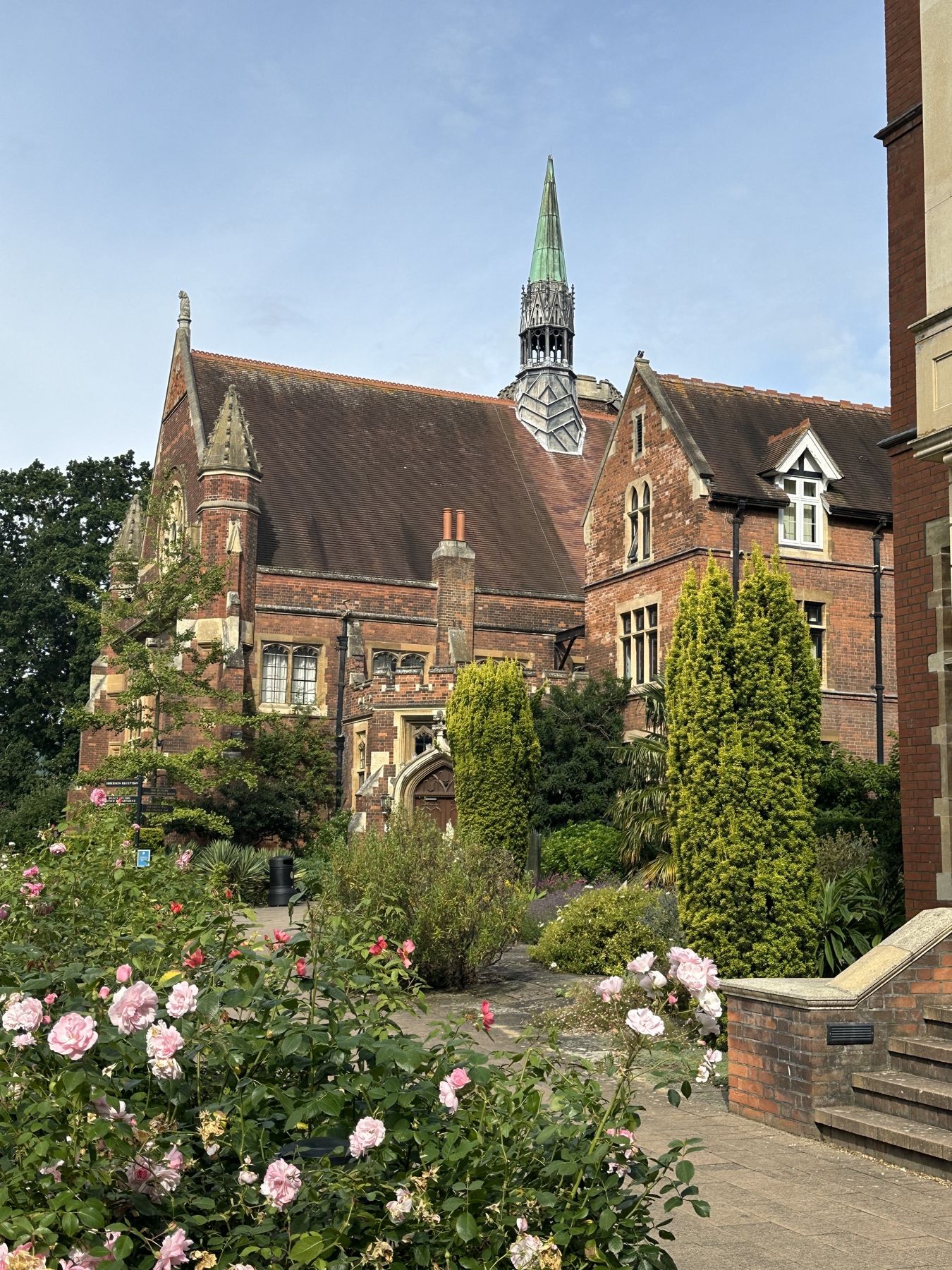
A Cambridge collegeRooted in the academy · the register is free to teach from
01
Curricula that answer to practice
Map modules and programmes to competency units and target proficiency levels using the Curriculum Mapping Workbook — 81 units with stable identifiers (A.1, A.1-K01), coverage and assessment columns. What comes out is a document a programme board can act on: every module against the units it covers — none / partial / full — and the distance between what the programme teaches and what the job demands. Stable IDs mean the mapping stays citable across versions instead of rotting.
Get the Curriculum Mapping Workbook →
02
Free academic use, under the public licence
Under the SRCF Public Reference and Adoption Licence v1.2, academic institutions may read an official public Release, quote limited extracts with attribution, independently map their programmes, modules and learning outcomes to the framework, teach about SRCF, and publish research and factual mappings — free of charge, including in fee-charging degree and executive programmes. The permissions are use-based: charging tuition does not by itself require a licence, because the trigger is the activity, not commerce. Separately licensed: official or SRCF-branded delivery, official courseware, official curriculum alignment, substantial reproduction, assessment and credentialing products, translations for publication, and any status claim. This is a summary for convenience; the licence clauses prevail.
Use and licensing →
03
Employability stated as evidence, not marketing
Where SRCF materially informs a programme description, syllabus or competency model shared beyond its author, the artefact carries the reference statement: “Developed with reference to the Sustainability Reporting Competency Framework (SRCF), version [version], a London Reporting Academy framework.” A published mapping that says more than this — “independently mapped with reference to SRCF” — is permitted only with the independent-mapping disclaimer under clause 7.3. Both forms state a source relationship only: neither is approval, alignment, accreditation, certification or endorsement, and neither may be presented as one. What they give an employer is something better than a badge — something checkable: which units, at which level, against which evidence expectations.
The claims ladder →
04
A place in the standard-setting process
Faculty may apply to the independent technical review of the register. Appointment is selective, not automatic; approved applicants complete a conflicts and independence declaration before any assignment activates. Every formal comment is tied to an object ID, a component code and a content version. Valid, in-scope comments receive a documented decision on the record, and are answered in a published response-to-comments — so a reviewer can see what happened to their input and why. Critical comments block approval until resolved or formally decided. Contributions may be credited by name, with consent and never without it. A moderated public consultation follows the independent cycle. The community informs; the SRCF Technical Council decides.
How the review works →
05
Early sight of the Learn stage
Recognised-programme licensing does not exist yet. No institution holds, or can hold, any SRCF status today — not academic partner, not licensed learning partner, not aligned curriculum — and any such claim made now is false wherever it appears. The Learn stage — official and licensed learning programmes — is in design; its criteria will be set after the register has been through independent review and public consultation, and no date is committed. Institutions engaged now see those criteria being written and can put evidence into them before they harden. Nothing on this page is an offer of status, partnership or accreditation.
Where the initiative is going →
What engagement looks like, concretely
Map one programme
Four to six weeks. Take one degree or executive programme through the workbook against units and target levels. The Secretariat supports a limited number of mapping pilots each cycle; you keep the result either way.
Put faculty into the review
This quarter. One or two faculty apply to the independent technical review, subject to selective appointment and declarations. Accepted contributions are named in the published record with the reviewer's consent.
Run a student cohort
Next term. A supervised cohort works a register-based exercise — self-assessment and portfolio logic — and the feedback is dispositioned on the record like any other review input.
Shape the Learn criteria
Ongoing. A standing conversation on recognised-programme criteria before they are set, so early partners help define what “mapped” and “recognised” will mean.

No fee, no exclusivity, nothing further to sign: academic reference, mapping and teaching are already free under the public licence, on its existing terms — attribution, and no claim of SRCF status. What is asked for is engagement and candour.

Join the Educator Network