Governance and change control
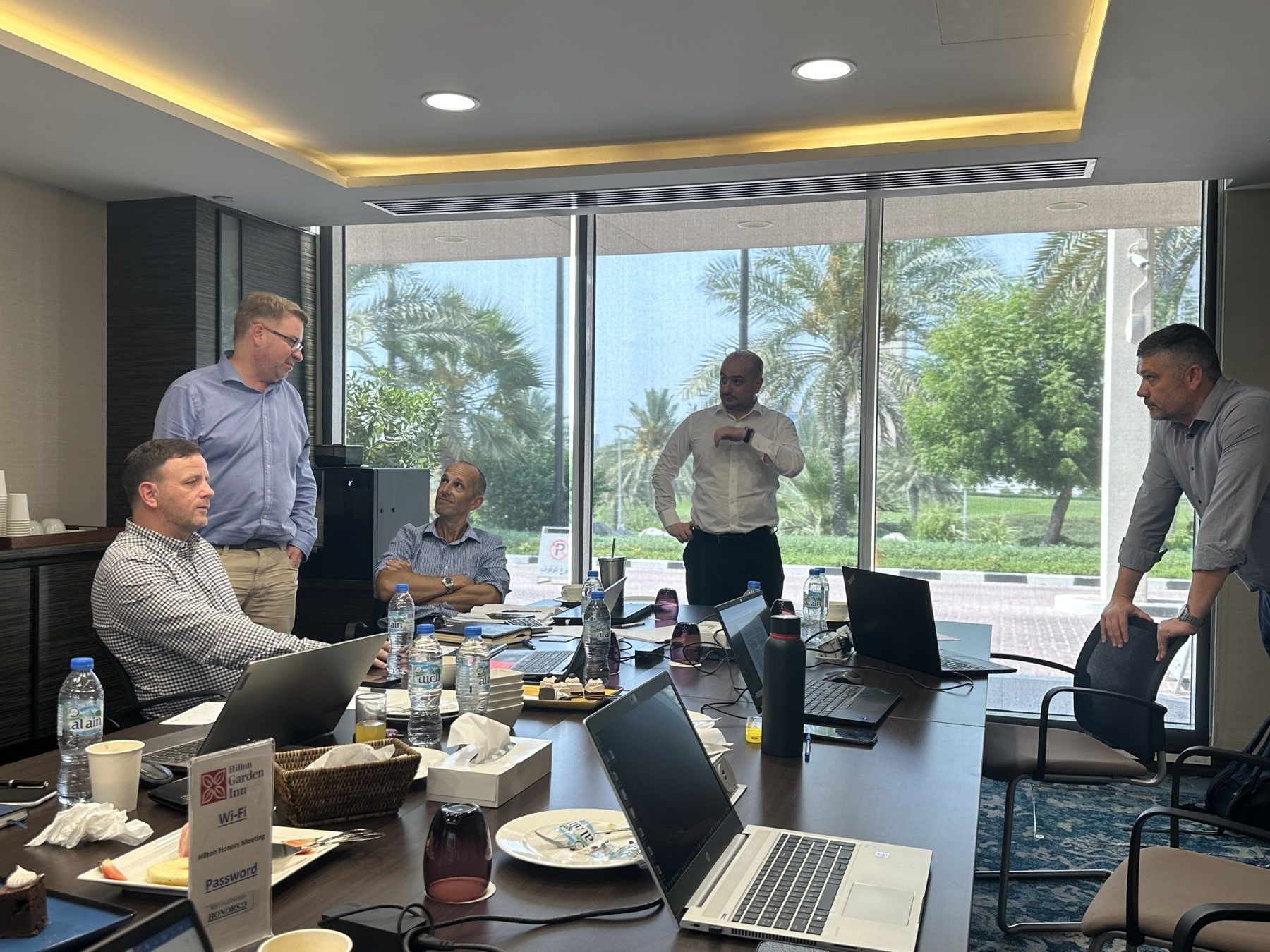 Working sessions · where the framework is argued into shape
The SRCF Technical Council — an internal governance committee of London Reporting Academy Limited constituted under the Governance and Due Process Charter (v1.1) — approves technical content, major releases and the conditions for a public Exposure Draft. Its remit, decision rights, conflicts policy and member biographies will be published here on appointment.
Assessment and Credentials BoardA separate Assessment and Credentials Board — constituted under its own Charter (v1.0) — governs assessment blueprints, standard setting, results, appeals and credential rules, keeping assessment independent from teaching.
Secretariat and hostLondon Reporting Academy provides the Secretariat: administration, publishing, technology and the record of review. The host does not single-handedly approve technical content.
Employer validation is a formal gate in the review plan, not an outreach exercise. Role profiles, target levels, tasks and outputs are tested against real corporate reporting work through structured employer interviews, and that gate sits before Council approval and before any decision to publish an Exposure Draft. What employers report enters the review record; where it raises a substantive issue, that issue is dispositioned on the record like any other comment. Contributing organisations may be named in the published record with their written consent, or contribute anonymously or in confidence — taking part is participation in due process and grants no SRCF status, approval or endorsement to the organisation or its people. Employers take part through the Employer Evidence Panel.
Versions and releasesContent is published as release snapshots with stable object IDs and content hashes. Nothing is silently edited: changes enter through dispositioned review comments and a change log.
Community informs — the Technical Council decidesAnyone may comment on the framework and propose changes, appointed reviewer or not. Every submission is logged and categorised. Valid, in-scope comments receive a documented decision on the record from the published taxonomy, with a rationale recorded where a proposal is not adopted; the response-to-comments for each cycle addresses the substantive themes and explains the significant recommendations that were not taken. Support is a signal, not a vote — the SRCF Technical Council decides under the Governance and Due Process Charter, and material governance decisions are published.
review package 1.2
status: Working Draft
Ten stages, from agenda to post-implementation review
A material framework development passes through the ten stages set out in the Governance and Due Process Charter (v1.1): agenda identification; evidence and research, including employer input; draft development; technical review at the Council review gate; the consultation decision that authorises an Exposure Draft; public consultation; redeliberation against a published response-to-comments; technical approval; legal and publication control; and post-implementation review. A proportionate accelerated route exists for corrections and clarifications — it may not be used to avoid consultation.
Every formal comment is tied to an object ID, a component code and a content version. Valid, in-scope comments receive a documented disposition from a published taxonomy — accept, accept in principle, partial, no change, defer, out of scope, or duplicate — with a recorded rationale wherever a proposal is not adopted. Critical comments block approval until resolved or formally decided. A response-to-comments closes each cycle.